How to Choose the Right Baseball Patch for Your Team

Exploring Chenille Greek Letters: A Timeless and Trendy Embellishment
August 25, 2026
A baseball uniform is a visual representation of the team, its identity, and the sense of belonging that brings players together. From the colors and logo to the smallest details on a sleeve, every element contributes to the overall look. That is where baseball patches can make a surprisingly significant difference. Whether you are outfitting a school team, recreational league, or competitive club, the right patch can transform a standard uniform into something that feels uniquely yours.
However, choosing a patch is not simply a matter of picking a logo and deciding where to place it. Material, size, attachment method, design, durability, and even the age of the players can influence which option makes the most sense. After all, a patch that looks fantastic on a display jacket may not be the ideal choice for a uniform that needs to withstand an entire season of practices, games, washing, and outdoor wear.
With so many options available, how do you know which one is right for your team? Let’s break down the most important considerations so you can make a confident choice without getting lost in a sea of designs and materials.
6 Tips to Pick Out the Best Baseball Patches for Your Team
Baseball patches represent team spirit, accomplishments, traditions, and memories that players can carry with them long after a season ends. Here are 6 tips to ensure your team has the best baseball patches.
1. Start With Your Team’s Identity and Design
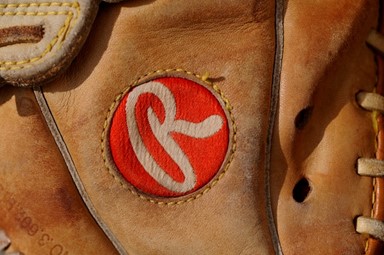
Before thinking about materials or attachment methods, decide what the patch needs to communicate. Your patch should complement your team’s existing identity rather than compete with it. Consider the team’s name, mascot, colors, and logo when developing custom baseball patches. A well-designed patch should be recognizable from a distance while still containing enough detail to feel distinctive up close.
For example, a youth team may benefit from a bold mascot and bright lettering, while an established club might prefer a more traditional emblem featuring its founding year or location. If your team has a strong visual identity already, repeating its primary colors in the patch can create a polished and coordinated appearance.
Think about longevity, too. Trends come and go, but a strong team emblem should still look appropriate several seasons from now. Since a standard MLB season consists of 162 games per team, professional uniforms need to remain visually consistent through a long schedule. While amateur teams generally play fewer games, the same principle applies to them as well; durability and timeless design matter.
2. Consider the Attachment Method
The way a patch attaches to a garment can be just as important as the patch itself. For uniforms that are frequently washed, attachment should be selected with durability in mind. Sew-on chenille patches are a dependable traditional option, particularly when the garment will receive heavy use.
Baseball iron-on patches, meanwhile, provide convenience and can be useful when you want a relatively quick application without extensive sewing. An iron-on patch application can be practical for certain garments, but always consider the fabric before applying heat. Some athletic materials are sensitive to high temperatures, and the manufacturer’s care instructions should take priority.
For teams that want flexibility, removable or repositionable approaches may also be worth considering, particularly when uniforms change from season to season. Ultimately, the best attachment method is the one that matches both the garment and the expected level of wear.
3. Get Baseball Patch Placement Right

Even an excellent patch can look out of place if it is positioned incorrectly. Baseball patch placement should be considered during the design stage rather than as an afterthought. Common locations include sleeves, chest areas, caps, and other visible sections of team apparel. The available space, uniform design, and size of the patch should all work together.
The key lies in balance. The patch should be noticeable, but it should still look as though it belongs naturally on the uniform. Remember that a patch that looks perfectly proportioned on an adult jacket or jersey may appear oversized on a child’s uniform.
Placement can also communicate hierarchy. For instance, a baseball captain patch may be positioned differently from a team emblem because it serves a specific role within the team. Similarly, commemorative patches may be placed where they can remain visible without overwhelming the primary team logo.
4. Think About Where the Patch Will Be Worn
Not every patch needs to go on a game jersey. Baseball patches for clothes can be used on warm-up jackets, hoodies, caps, bags, and other team apparel, giving players additional ways to show their team pride away from the field. This is especially useful when creating merchandise for coaches, parents, alumni, and supporters who may not wear an official uniform.
You might also consider baseball patches for letterman jackets, particularly for school teams that want to celebrate achievements beyond the playing season. Commemorative designs can recognize championships, milestones, seasons, or special events.
A USA baseball patch, for example, can create a patriotic element when appropriate for a team’s event or organization. The important consideration is to match the patch to the garment. A highly detailed emblem might work beautifully on a jacket with ample space but become difficult to read when reduced for a sleeve.
5. Decide Whether You Need a Traditional or Commemorative Design
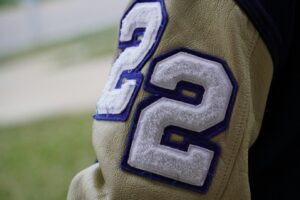
Not every patch has to represent the team’s basic logo. Some of the most memorable designs celebrate a particular season, tournament, achievement, or tradition.
For teams inspired by baseball history, vintage baseball patches can provide a classic aesthetic, particularly when paired with retro typography, traditional colors, or old-school mascot illustrations.
Commemorative patches are valuable because they turn an ordinary uniform or garment into a reminder of a specific moment. A championship season, tournament appearance, or memorable team milestone deserves something players can keep long after the final game.
6. Prioritize Quality, Detail, and Long-Term Value
A patch may be small, but poor-quality construction can make it one of the most noticeable weaknesses in an otherwise polished uniform. When comparing personalized baseball patches, look closely at the stitching, borders, lettering, backing, and overall finish.
Fine details should remain reasonably clear, while the edges should look clean rather than uneven or poorly defined. This becomes particularly important when creating custom baseball team patches with multiple colors, lettering, or intricate mascot artwork.
Ask how the design will translate from a digital image into the actual patch. A design that looks excellent on a computer screen may need simplification before it can produce a clean physical result. Also consider whether the patch will be used for one season or several. Investing in high-quality construction can make more sense when uniforms, jackets, or other garments are intended to be worn repeatedly.
Wrapping Up
Choosing the right baseball patch is ultimately about more than selecting an attractive design. The best patch should reflect your team’s identity while also fitting the uniform, handling regular wear, and remaining visually appealing throughout the season.
By considering things like design, material, and attachment method, you can choose an option that feels intentional rather than simply adding another decoration to the uniform. Taking the time to choose the right style and construction ensures that players can wear their baseball patches with pride, whether they are on the field, traveling to a game, or representing their team away from baseball.
For teams looking for quality craftsmanship and distinctive athletic designs, Anything Chenille offers a variety of sports patch options that can bring these ideas together. With the right combination of design, texture, and customization, a thoughtfully made patch can turn an ordinary piece into something that genuinely feels like your team’s uniform.