How to Wear American Flag Patches: Everything You Need to Know

Are Iron-On Chenille Patches Reliable? Here’s What to Expect
May 26, 2025
What Role Do Uniform Patches Play in Professional Settings?
June 25, 2025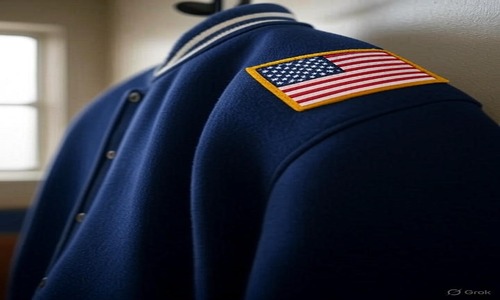
Wearing an American flag patch is a powerful way to show patriotism, whether you are adding it to a jacket, backpack, or uniform. Unlike any other patches, a U.S. flag patch needs to be placed properly considering the flag code, etiquette, and its due respect.
This guide covers everything you need to know about how to wear American flag patches, from placement to meaning, ensuring you do it respectfully and confidently.
Uncovering the Secrets of How To Wear American Flag Patches
Let’s explore the basics of how to wear these important patches the right way.
Understanding American Flag Patch Placement
Proper placement of an American flag patch ensures it’s displayed respectfully, following guidelines inspired by the U.S. Flag Code. Here’s what to consider:
- Shoulder Placement: The most common spot for an American flag shoulder patch is on the right or left sleeve of a jacket or shirt. The patch should sit near the top of the sleeve, close to the shoulder seam, to give it prominence.
- Chest and Collar: Some uniforms or garments feature flag patches on the chest, usually above the heart or occasionally on the collar. These spots are acceptable as long as the patch remains clearly visible and upright.
- Backpacks and Gear: On bags, place the patch on the upper part to avoid contact with the ground. Customized patches can be a great way to personalize your gear while still honoring proper placement.
You need to prioritize visibility and respect and make sure the flag is displayed proudly without obstructing movement.
What Shoulder Does the Flag Go On?
A common question is which shoulder orwhich arm does the flag patch go on? The American flag patch can go on either arm, but the right arm is more traditional due to its military roots.
- Right Shoulder/ Right Arm: Most common for civilians and military-inspired designs, the American flag shoulder patch is often placed here to mimic traditional flag-bearing.
- Left Shoulder/ Left Arm: Some prefer the left shoulder for symmetry or specific organizational guidelines. Acceptable for civilians or organizations with specific uniform rules, ensuring the flag’s design faces forward.
- Context Matters: For civilians, either shoulder or arm works as long as the patch is oriented correctly and placed high.
Choose the arm that feels right for your style, but always ensure the patch is positioned with respect. The patch should be a focal point, not crowded by other designs.
Why Is the U.S. Flag Backwards on Uniform?
The backwards U.S. flag patch isn’t actually backwards. It’s intentional:
- Forward Motion: The reversed design, with stars on the right, mimics how a flag looks when carried forward by a flagbearer. This is standard for military uniform flag patch designs.
- Civilian Use: Civilians can adopt this style to align with tradition, but it’s not mandatory. A forward-facing flag is also acceptable if placed correctly.
This design choice honors the flag’s dynamic symbolism, ensuring it looks like it’s leading the way.
Exploring Variations of the Flag Patch

Some American flag patches come in unique styles. These variations have specific meanings:
- Black and White Backwards Flag: Often used by first responders or tactical groups, this subdued style symbolizes solemnity or respect for fallen heroes. It follows the same “backwards” orientation for forward motion.
- Camouflage American Flag Meaning: A camouflage American flag blends patriotism with a rugged, military-inspired aesthetic. It’s popular for outdoor gear and maintains the same placement rules.
These variations allow for personal expression while adhering to respectful display guidelines.
American Flag Patch on Military Uniform
The American flag patch on uniform follows strict guidelines, particularly in the Army. For example:
- Army OCP Flag Patch Placement: On the Army’s Operational Camouflage Pattern (OCP) uniform, the army OCP flag patch placement is on the right shoulder, with the stars facing forward. This aligns with the U.S. flag patch on army uniform standard.
- Subdued Flags: The U.S. Army subdued flag, often in muted tones, is used for tactical purposes to blend with camouflage while maintaining symbolism.
Civilians don’t need to follow military rules but can draw inspiration for respectful placement.
Tips for Wearing Custom Flag Patches
Here are practical tips to ensure your custom flag patcheslook great and honor the flag’s significance:
- Choose High-Quality Materials: Opt for durable chenille or iron-on patches that withstand wear and tear.
- Secure Placement: Use iron-on patches for a firm hold, ensuring the patch stays in place during movement.
- Respect the Flag Code: Avoid placing the patch on items like athletic wear or costumes, as this may violate the U.S. Flag Code’s guidelines.
- Cleanliness Matters: Keep the patch clean and free from damage to show respect.
These steps ensure your patch looks professional and honors the flag’s meaning.
Here are a few ways to rock the patch without compromising respect:
On Jackets and Outerwear
Jacket patches are the most common. A classic spot for a U.S. flag patch is the shoulder or chest of a denim or bomber jacket. Make sure you:
- Keep the flag patch above any other designs.
- Match the color tone to your jacket’s palette (black and white for dark jackets, traditional colors for light coats).
On Hats and Caps
Placing a flag patch on a cap is a subtle but effective way to show patriotism. Remember to keep the patch centered or offset cleanly, and avoid novelty designs that distort the flag.
On Backpacks
Use the upper flap or a side strap. Ensure the patch is secured and won’t drag on the ground, as symbolic respect matters.
On Streetwear
If your style leans urban or minimalist, go for a monochrome patch on a hoodie sleeve or chest. Keep the design clean, and don’t pair it with political slogans or edgy statements that could misrepresent your intent.
Common Mistakes to Avoid
To wear an American flag patch correctly, steer clear of these pitfalls:
- Incorrect Orientation: Placing the stars backward or upside-down is disrespectful and signals distress. Always check the Canton’s position.
- Low Placement: Avoid putting the patch near the bottom of clothing or gear where it could get dirty. Don’t place it on socks, shoes, or pants near the ankle.
- Overcrowding: Don’t place other patches like logos, graphics, or slogans above the flag, as this can diminish its prominence.
By avoiding these mistakes, you ensure your patch display is both stylish and respectful.
Show Your Pride with Anything Chenille U.S. Flag Patches
Wearing an American flag patch is a meaningful way to express loyalty to your country, whether on a jacket, backpack, or uniform. By understanding how to wear American flag patches the appropriate way, you portray confidence and respect for it.
At Anything Chenille, we are proud to offer high-quality custom flag patches, including chenille and iron-on options, designed to help you showcase your American pride. Whether you are adding a black and white backward flag or a vibrant American flag shoulder patch, our patches are crafted to last and honor the flag’s significance. With Anything Chenille, you are just a step away from creating your perfect patch today!
An American flag patch should be worn upright with the stars on the top-left corner. It is commonly placed on the shoulder, chest, or backpack in a visible and respectful position.
Traditionally, the American flag patch is placed on the right shoulder, but it can also be worn on the left depending on style or organization rules. The key is correct orientation and visibility.
No, the backward flag design is intentional in many cases, especially on uniforms. It represents the flag moving forward as if being carried into action.
Yes, civilians can wear American flag patches on jackets, hats, backpacks, and clothing as long as it is displayed respectfully and follows proper orientation.
Avoid placing the patch near the bottom of clothing, on shoes, socks, or anywhere it may touch the ground, as this is considered disrespectful.